Gastric Sleeve Surgery in Ireland
Also known as Sleeve Gastrectomy Surgery, is an effective bariatric weight loss procedure.

Also known as Sleeve Gastrectomy Surgery, is an effective bariatric weight loss procedure.
Expected excess weight loss:
60-70%
Average procedure time:
60 minutes
Average length of hospital stay:
1-2 nights
Average recovery time:
2 weeks
At Blackrock WeightCare we perform gastric sleeve operations either by laparoscopic (keyhole) surgery or using the da Vinci Xi robotic surgical system.
A gastric sleeve reduces the size of the stomach considerably. A stomach ‘sleeve’ is created using a surgical stapler and a tubular sizing device and then the outer area of the stomach is removed.
It’s important to get the stomach sleeve the correct size. This is because if the volume of the stomach is too big, you won’t lose enough weight and if it’s too small, you could develop complications such as tightness or a kink.
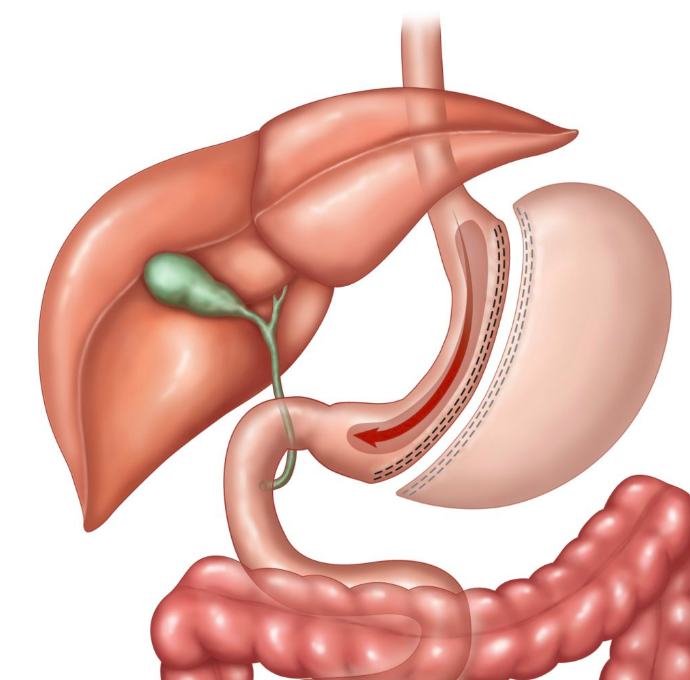
Gastric sleeve surgery reduces the size of your stomach. As your stomach is smaller, you’ll eat reduced portion sizes because you’ll feel full more quickly, and you’ll stay feeling full for longer.
In addition, your appetite will be drastically reduced because the part of the stomach that produces much of the hunger hormone, ghrelin, is removed.
On average, 12 to 18 months after surgery, you will lose 65% of the extra weight you’re carrying above your estimated normal body weight.
At Blackrock WeightCare, we can perform gastric sleeve surgery laparoscopically (keyhole) or robotically using the da Vinci Xi robotic surgical system under general anaesthesia.
During the operation, a surgical stapling device is used to staple and seal your stomach. We also use a guide tube to measure the size of the stomach sleeve that’s left behind. About 70% of your stomach is permanently removed, which leaves behind a narrow ‘banana-shaped’ stomach – the sleeve. We don’t remove or bypass any intestines during this surgery, and the surgery usually takes about one hour to perform.
Your Health – We Care. Blackrock WeightCare follows up with all patients for a minimum of 2 years to ensure that any risk is minimised and we help teach you how to self-care in the years ahead. Read more about our Weight Loss Aftercare here.
Submit the form below and we will be in touch soon to take you through the next steps and start your weight loss journey with Blackrock WeightCare
Gastric sleeve surgery works by reducing the size of the stomach, which limits the amount of food that can be eaten at one time. It also affects hunger hormones, helping patients feel full sooner and reducing appetite.
Gastric sleeve surgery can lead to substantial weight loss. Patients typically lose around 60–70% of their excess body weight over 12 to 18 months, particularly when they follow the recommended dietary advice, attend follow-up appointments and make consistent lifestyle changes.
The usual hospital stay is usually 1 night. This can vary a bit depending on your recovery, your medical history and how you are getting on with fluids and moving about after surgery.
Recovery is often quicker than people expect. Around 10 days to 2 weeks is common before returning to office based work, although it may take a bit longer if your job is physically demanding. It also takes time to adjust to new eating habits, so support and follow-up remain important.
Food is reintroduced in stages after surgery. You will begin with fluids, then move on to soft foods, before returning to regular meals over time. Long term, the focus is on small portions, protein-rich meals, eating slowly and avoiding grazing. Your bariatric team will guide you through each stage but you will be able to eat ‘normal’ food.
Gastric sleeve surgery can lead to improvement in obesity-related conditions such as type 2 diabetes, sleep apnoea and high blood pressure. For some people, these conditions become easier to manage. For others, they may improve to the point where medication can be reduced or stopped under medical advice.
Gastric sleeve surgery is a well-established weight loss procedure and is commonly carried out using minimally invasive techniques such as laparoscopic or robotic surgery. As with any operation, there are risks, but careful assessment, experienced surgical care and proper follow-up all help to support a safe recovery.
Yes! It is possible to have a healthy pregnancy after gastric sleeve surgery. Pregnancy is however best avoided during the rapid weight loss phase after surgery. This gives your body time to recover and helps support good nutrition before conception. Your team can advise you on timing.
There is no single procedure that suits everyone. A gastric sleeve may be the better option for one patient, while a gastric bypass may be more appropriate for another, particularly where reflux or specific metabolic concerns are present. The right procedure depends on your BMI, medical history, symptoms and overall health. A full surgical assessment will help determine which option is safest and most effective for you. You must also be comfortable with the choice.
Return to work depends on the type of work you do and how your recovery is progressing. Patients with desk-based roles may return within days and sooner than those whose work involves lifting or physical strain. Your bariatric team will advise you based on your individual recovery.
Gentle walking is usually encouraged immediately after surgery. More strenuous activity can often be introduced gradually once healing is underway and your surgical team is happy with your recovery. In general, strenuous activity and heavy lifting are avoided for about 6 weeks after surgery.
Yes, over time you can return to normal foods, but portion sizes will be much smaller and eating habits will need to change. The focus is on eating slowly, prioritising protein and avoiding habits that can affect long-term results.
Weight loss after surgery can reduce pressure on the joints and make movement easier. Patients often find that walking, climbing stairs and daily activity all quickly become more manageable as weight comes down.
Weight loss can improve hormonal health and fertility in some patients, especially where obesity has been affecting menstrual cycles or ovulation. This should be discussed with your clinical team if fertility is part of your concern.
Gastric sleeve surgery may be considered for patients with a BMI of 40 or above, or a BMI of 35 or above where obesity-related health conditions are present, such as type 2 diabetes, sleep apnoea or high blood pressure. Suitability depends on more than BMI alone, so a full assessment is needed to decide whether gastric sleeve surgery is the right option for you.
Yes! Very often bariatric surgery and sleeve gastrectomy is covered under your health insurance in Ireland. Cover for gastric sleeve surgery in Ireland will depend on your level of insurance and whether you meet the clinical criteria.
As policies can vary, it is always best to check directly with your provider to confirm what is included in your plan. Our team can also guide you on the information and documentation that may be needed as part of the process. Click here to check your cover for gastric sleeve surgery.
No, gastric sleeve surgery is not reversible. The procedure involves permanently removing a section of the stomach to create a smaller, sleeve-shaped stomach.
| Cookie | Duration | Description |
|---|---|---|
| cookielawinfo-checkbox-advertisement | 1 year | Set by the GDPR Cookie Consent plugin, this cookie is used to record the user consent for the cookies in the "Advertisement" category . |
| cookielawinfo-checkbox-analytics | 11 months | This cookie is set by GDPR Cookie Consent plugin. The cookie is used to store the user consent for the cookies in the category "Analytics". |
| cookielawinfo-checkbox-functional | 11 months | The cookie is set by GDPR cookie consent to record the user consent for the cookies in the category "Functional". |
| cookielawinfo-checkbox-necessary | 11 months | This cookie is set by GDPR Cookie Consent plugin. The cookies is used to store the user consent for the cookies in the category "Necessary". |
| cookielawinfo-checkbox-others | 11 months | This cookie is set by GDPR Cookie Consent plugin. The cookie is used to store the user consent for the cookies in the category "Other. |
| cookielawinfo-checkbox-performance | 11 months | This cookie is set by GDPR Cookie Consent plugin. The cookie is used to store the user consent for the cookies in the category "Performance". |
| CookieLawInfoConsent | 1 year | Records the default button state of the corresponding category & the status of CCPA. It works only in coordination with the primary cookie. |
| elementor | never | This cookie is used by the website's WordPress theme. It allows the website owner to implement or change the website's content in real-time. |
| PHPSESSID | session | This cookie is native to PHP applications. The cookie is used to store and identify a users' unique session ID for the purpose of managing user session on the website. The cookie is a session cookies and is deleted when all the browser windows are closed. |
| viewed_cookie_policy | 11 months | The cookie is set by the GDPR Cookie Consent plugin and is used to store whether or not user has consented to the use of cookies. It does not store any personal data. |
| Cookie | Duration | Description |
|---|---|---|
| __cf_bm | 30 minutes | This cookie, set by Cloudflare, is used to support Cloudflare Bot Management. |
| Cookie | Duration | Description |
|---|---|---|
| _ga | 2 years | The _ga cookie, installed by Google Analytics, calculates visitor, session and campaign data and also keeps track of site usage for the site's analytics report. The cookie stores information anonymously and assigns a randomly generated number to recognize unique visitors. |
| _ga_Q8S5KEXC0G | 2 years | This cookie is installed by Google Analytics. |
| Cookie | Duration | Description |
|---|---|---|
| test_cookie | 15 minutes | The test_cookie is set by doubleclick.net and is used to determine if the user's browser supports cookies. |
| Cookie | Duration | Description |
|---|---|---|
| cmp65944242 | 1 month | No description |
| prism_65944242 | 1 month | No description |



Dr Eddy Ferrufino Rivera is a Consultant in Respiratory and Sleep Medicine with specialist experience in sleep-related breathing disorders, respiratory medicine and conditions commonly associated with obesity.
He has been practising in Ireland since 2015, working across both public and private hospitals. He completed his specialist training in Respiratory Medicine in Spain in 2013 and later obtained a Master’s Degree in Clinical Research and an International Master’s Degree in Sleep Medicine.
At Blackrock WeightCare, Dr Ferrufino supports patients with respiratory and sleep-related concerns, including obstructive sleep apnoea, obesity-associated hypoventilation and sleep disorders linked with conditions such as COPD, asthma and interstitial lung disease. He also facilitates sleep studies for patients where further assessment is needed as part of their bariatric care pathway.
Dr Ferrufino has experience in managing respiratory, cardiovascular and metabolic conditions associated with sleep pathology. He is an Associate Professor at University College Dublin and a member of the Irish Thoracic Society, the Royal College of Physicians of Ireland and the European Respiratory Society.

Emer O’Driscoll holds an MSc in Nutrition and Dietetics from the University of Ulster, Coleraine (2014). Emer has experience in clinical and outpatient settings, in particular, her passions are intuitive eating, counselling, and weight management. Emer is actively involved in the support of patients before and after weight loss surgery. She recognises the importance of consistent follow-up care with a dietitian through your pre and post-surgical journey.
She holds a certificate in Motivational Interviewing from the National Institute for Preventive Cardiology (NIPC) and is a Certified Intuitive Eating counsellor. Emer developed and leads the SUCCEED Programme. She is a member of the Irish Nutrition & Dietetic Institute (INDI) and a CORU registered dietitian.
David Johnston is a Senior Dietitian at Blackrock WeightCare. He holds a BSc in Human Nutrition and Dietetics from Trinity College Dublin and TU Dublin, and has completed additional training in behaviour change skills and the delivery of evidence-based obesity management.
David has worked in rehabilitation and integrated care services in both Ireland and Australia, supporting patients living with obesity, diabetes and other long-term health conditions. Chronic disease management has been a key area of interest throughout his career, and he understands the importance of a multidisciplinary approach when supporting people with obesity.
As part of the Blackrock WeightCare team, David provides education and follow-up care for patients before and after surgery. He helps patients prepare for surgery, supports them as they adjust to changes in eating and drinking afterwards, and works with them to build sustainable habits that support long-term health and weight management.
David is a CORU registered dietitian and a member of the Irish Nutrition and Dietetic Institute (INDI). His approach is practical and patient-centred, with a focus on helping patients better understand their nutrition and managing it in a way that works for them.
Niamh Forster is a Senior Dietitian at Blackrock WeightCare, with 6 years of experience working with people living with obesity and supporting them with practical nutrition and lifestyle advice. She has worked in both clinical and outpatient settings, including weight management, and has a particular interest in supporting patients before and after bariatric surgery.
Niamh holds a BSc in Human Nutrition and an MSc in Clinical Nutrition and Dietetics from University College Dublin, completed in 2020. She has also completed further training in Behaviour Change, Intuitive Eating Counselling and Nutrition for PCOS.
She is a CORU registered dietitian and a member of the Irish Nutrition and Dietetic Institute (INDI).
As part of the Blackrock WeightCare team, Niamh supports patients in making sense of the dietary changes that come with bariatric surgery and helps them build habits that are realistic, manageable and suited to everyday life. Her approach is practical, evidence-based and centred around the individual, with a strong focus on supporting patients in a way that feels steady, respectful and achievable.
Nikki O’Toole is a Bariatric Candidate CNS at Blackrock WeightCare, with over 18 years of nursing experience and a strong background in surgical nursing. She has worked in Blackrock Clinic for more than 10 years, caring for bariatric patients at ward level and now supporting patients throughout their journey before and after surgery.
Nikki holds a BSc Degree in Nursing and has recently completed a course in An Integrated Approach to Cardiometabolic Chronic Disease. In her role, Nikki provides education, preparation and ongoing support to patients at each stage of their journey. She helps patients feel informed and ready for surgery, and continues to support them after their procedure, both during their hospital stay and long after they go home. She understands how important it is for patients to feel reassured and know that support is always there when they need it.
Nikki gets great fulfilment in being part of transformation for patients and their families. She is committed to helping each patient feel cared for and confident throughout their time with Blackrock WeightCare.
Susan Healy is a Bariatric Clinical Nurse Specialist (CNS) at Blackrock WeightCare, with more than 20 years of nursing experience and a long-standing specialist interest in bariatric care. She first began working with bariatric patients in Australia almost 19 years ago and has been caring for bariatric patients in Blackrock Clinic for the past 10 years. She became a Bariatric CNS in June 2024.
Susan holds a BSc Degree in Nursing and is a Registered Nurse (RN) and Certified Bariatric Nurse (CBN) through the American Society for Metabolic and Bariatric Surgery (ASMBS). She is also a member of BOMSS, the British Obesity and Metabolic Surgery Society.
In her role, Susan supports patients right through their bariatric journey, both physically and emotionally, with a strong focus on education, reassurance and ongoing care. She is a steady point of contact before and after surgery, helping patients feel informed, prepared and well supported. Susan is passionate about providing patient-centred care and believes that people should be met with compassion and respect at all times. She takes great satisfaction in seeing the positive difference bariatric surgery can make and is committed to making sure each person feels listened to and supported throughout their journey.

Dr Matilde Mijares Zamuner is a Consultant Endocrinologist and Diabetologist at Blackrock WeightCare, with a particular interest in obesity, diabetes and the medical management of weight-related conditions. She graduated from medical school at the Central University of Venezuela in Caracas and completed her Higher Specialist Training in Endocrinology, Diabetes and Nutrition at Alicante University Hospital in Spain in 2013. She also completed a Master’s Degree in Clinical Research in Spain.
During her specialist training in Spain, she gained extensive experience in the management of metabolic conditions, including obesity and related conditions such as type 2 diabetes, high blood pressure and high cholesterol. She moved to Ireland in 2014 and completed a research fellowship in diabetes at the Mater Misericordiae University Hospital.
As part of the Blackrock WeightCare team, Dr Mijares Zamuner supports patients by assessing hormonal, metabolic and nutritional factors that may be contributing to weight gain, including conditions such as PCOS and thyroid disease. She also works closely with patients before and after bariatric surgery and is involved in the medical treatment of obesity, including prescribed medication where appropriate.
Dr Mijares Zamuner is a member of the Irish Endocrine Society, the Spanish Endocrine and Diabetes Society, the European Society of Endocrinology and the Royal College of Physicians of Ireland. Her approach is centred on helping patients understand obesity as a chronic disease and supporting them in a clear and compassionate way to improve their long-term health and quality of life.
Achille Mastrosimone is a Consultant General and Upper Gastrointestinal Surgeon with a specialist interest in upper gastrointestinal surgery, diagnostic and therapeutic endoscopy, and bariatric and metabolic surgery. He works across Connolly Hospital, Hermitage Clinic and Blackrock Clinic, and is also an Honorary Clinical Senior Lecturer at RCSI University of Medicine and Health Sciences.
He holds an MD, a PhD in Clinical and Molecular Oncology, a Professional Diploma in Clinical Leadership from RCSI, and a Master in Bariatric and Metabolic Surgery from Gemelli Hospital, Rome.
As part of the Blackrock WeightCare team, he supports patients through pre-operative endoscopic assessment and post-operative endoscopic follow-up.
Excitingly, Achille also brings expertise in endobariatric procedures, including TORe (Transoral Outlet Reduction), to help manage post-bypass weight regain and dumping syndrome.
Achille is registered on the Irish Medical Council Specialist Register in General Surgery and is a member of IFSO (International Federation for the Surgery of Obesity and Metabolic Disorders), ESGE (European Society of Gastrointestinal Endoscopy), ISDE (International Society for Diseases of the Esophagus) and EAES (European Association for Endoscopic Surgery).
His approach is centred on giving patients clear, compassionate and personalised support, helping them feel informed, reassured and well cared for before and after endoscopy.
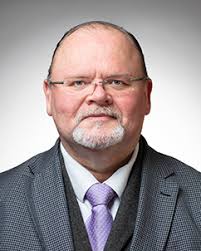
Dr Finian Fallon provides psychological support and assessments for patients seeking bariatric surgery at Blackrock WeightCare. He works closely with bariatric teams in Ireland and has a strong interest in supporting patients as they prepare for surgery and adjust to the changes that come with it.
Finian has contributed to research and published work in the area of obesity, and was previously a Research Fellow at St Vincent’s University Hospital, where he provided group support for people living with obesity. He has also worked as Dean of Psychology at a private college in Dublin, where he developed education programmes in areas including CBT, addiction and traumatology.
His academic work has included External Examinerships and supporting PhD students in their development. He has also presented at the SCOPE School on Obesity, an internationally recognised training programme in obesity led by experts in the field.
Finian has a particular interest in the psychological impact of obesity, including the effect of stigma and self-stigma on people’s lives. He is also very aware of the role trauma can play for some patients living with obesity. His research includes a widely reported study on trauma and wellbeing among more than 2,000 members of An Garda Síochána.
His approach is thoughtful, respectful and compassionate, with a strong focus on helping patients feel understood, supported and well prepared throughout their journey.
Professor John McDermott is Consultant Endocrinologist at the Hermitage Medical Clinic. Working closely with Mr Robb and the team at Blackrock WeightCare, he supports patients through their weight loss journey with a focus on metabolic health, endocrine assessment and long-term aftercare. He plays an important role in guiding patients before and after bariatric surgery, and supporting them as they adjust to the hormonal, metabolic and lifestyle changes that follow treatment.
Professor McDermott graduated from the University of Galway with first-class honours and the gold medal for first place in medicine. Following his specialist training, he was appointed as a Consultant Endocrinologist in 2007. He has extensive experience in endocrinology, diabetes and general internal medicine, and a strong commitment to clinical research and medical education.
Dr Conor Woods is an Endocrinologist and Bariatric Physician at Blackrock WeightCare, with specialist interests in obesity medicine, endocrinology and diabetes. He completed his undergraduate medical training at RCSI and his Higher Specialist Training in Endocrinology in Ireland. He also holds a PhD from UCD in steroid metabolism and obesity, and completed a fellowship in Oxford.
Dr Woods supports patients with the medical assessment and management of obesity and related metabolic conditions. As part of the multidisciplinary team, he helps ensure patients are well informed, appropriately assessed and supported throughout their care.

Barkha Jain is the Digital Marketing Manager at Blackrock WeightCare, with over 20 years of experience in advertising, marketing and business development. She holds a Bachelor’s degree in Journalism and Mass Communication from DAVV University, India, and a Master’s degree in Digital Marketing from UCD, Ireland.
For the past 10 years, she has specialised in healthcare marketing, working with surgeons across bariatric surgery, plastic surgery, respiratory medicine, IVF and orthopaedics. Before moving to Ireland, she founded a digital marketing agency in India in 2016 and worked with healthcare clients across the country, including spending 8 years with Mohak Bariatrics, an internationally renowned bariatric service in Indore, India. Barkha has facilitated a collaboration between Mohak Bariatrics and Blackrock WeightCare – a connection we are proud to have established.
Her work is rooted in a genuine belief that healthcare communication should do more than promote services. It should bring clarity, build trust and help people make informed decisions for their health and wellbeing.
Susan Anderson is a Patient Co-Ordinator at Blackrock WeightCare and is often the first point of contact for patients enquiring about weight loss surgery. Susan speaks with patients by phone to guide them through the process, answer their questions and provide clear information about the process from first appointment, assessment for surgery and our dedicated follow up program of care. She follows up with detailed information on the next steps, helping patients feel informed from the outset.
Susan also attends clinics and values meeting patients in person, offering support as they move through different stages of treatment. She understands that reaching out about bariatric surgery can feel like a big step and how important it is for patients to be given time, information and reassurance to make the decision that is right for them.
With almost two decades of experience working in a hospital setting, Susan is committed to helping each patient feel comfortable, informed and well supported from their first contact with Blackrock WeightCare.
Lucy O’Shea is a Patient Co-Ordinator at Blackrock WeightCare, where she supports patients throughout all phases of their treatment – from bariatric surgery, to medical follow up with optimisation of health and weight and then also co-ordinating body contouring surgery for those patients who require this final phase.
Lucy helps guide patients through each stage of the process, from explaining what to expect and preparing them for consultations to providing support before and after surgery.
Working closely with the clinical team, Lucy ensures that patients feel informed, supported and reassured throughout their journey to better health. She understands that this can be a significant step, and Lucy is committed to making the experience as comfortable and straightforward as possible.
Lucy helps each patient feel heard, supported and at ease throughout their care with Blackrock WeightCare.
Maria Cray is the Practice Manager at Blackrock WeightCare, with over 20 years of experience managing busy private surgical clinics. Before joining the team, she spent two decades as Practice Manager for a consultant eye surgeon, where she ran a successful multi-staff practice and supported patients through every stage of their care.
She brings a calm, organised and caring approach to the role, with a great understanding of what patients need from specialist care. From coordinating appointments and referrals to helping manage surgical schedules, Maria plays a central role in ensuring that every patient’s experience is as smooth as possible.
WIth the whole team, Maria creates a welcoming and professional environment where patients feel supported, informed and genuinely cared for throughout their journey with Blackrock WeightCare.