It’s one of the first questions many people ask when they begin considering bariatric surgery.
“Is the surgery safe?”
It’s a completely understandable concern. Deciding to have any operation is a significant step, and it’s natural to think about the risks involved.
However, there is another question that deserves equal attention.
What are the risks of continuing to live with severe obesity?
This is an important conversation because obesity is not simply about carrying extra weight. It is a chronic, progressive disease that can affect almost every organ in the body. For many people, the health risks associated with untreated obesity become far greater over time than the risks associated with modern bariatric surgery.
Understanding both sides of the equation is the best way to make an informed decision.
Bariatric Surgery is Very Safe but Every Operation Has Some Risks
No responsible bariatric surgeon will ever tell you that surgery is completely risk-free.
Like any operation, bariatric procedures such as gastric sleeve surgery, gastric bypass and SADI-S carry potential risks but thankfully all bariatric procedures are now relatively low risk operations. Risks can include bleeding, infection, blood clots, leaks, nutritional deficiencies and complications related to anaesthesia.
Before recommending surgery, your bariatric team will discuss these risks with you in detail, explain how they are minimised and answer any questions you may have.
The aim is never to encourage someone towards surgery.
The aim is to help every patient make an informed decision based on their individual health and circumstances.
The Risks of Severe Obesity Continue Every Day
While surgery carries a short-term surgical risk, severe obesity carries a long-term health risk that doesn’t pause while you’re deciding what to do.
Obesity is associated with an increased risk of:
- Type 2 diabetes
- High blood pressure
- Heart disease
- Stroke
- Obstructive sleep apnoea
- Fatty liver disease
- Osteoarthritis
- Reduced mobility
- Certain types of cancer
Many of these conditions develop gradually over several years. Others continue to progress despite medications and lifestyle changes.
This is why obesity is recognised as a chronic medical condition rather than simply a lifestyle issue.
Why Timing Matters
Many people spend years wondering whether they should have bariatric surgery.
During that time, they often continue trying different diets, exercise programmes and, more recently, weight loss medications such as Mounjaro, Wegovy or Ozempic.
These treatments can be very effective for many people and have an important role in obesity management. However, for patients living with severe obesity, particularly those with a BMI of 35 or above and obesity-related health conditions, they may not always provide the long-term results needed to prevent disease progression.
Every year spent living with uncontrolled obesity is another year in which conditions such as diabetes, sleep apnoea or high blood pressure may continue to affect your health.
This doesn’t mean surgery is the right option for everyone.
It does mean that delaying treatment simply because of fear may also carry consequences.
Bariatric Surgery Today Is Very Different to 20 Years Ago
Bariatric surgery has changed significantly over the past two decades.
Advances in minimally invasive surgery, robotic-assisted techniques, and enhanced recovery programmes have all contributed to improved patient outcomes.
Equally important is the way patients are prepared for surgery.
Modern bariatric care doesn’t begin in the operating theatre.
It begins weeks – and often months – before surgery with careful assessment, nutritional optimisation and planning.
This comprehensive approach plays an important role in reducing risk and supporting recovery.
Safety Starts Long Before the Operation
One of the reasons specialist bariatric centres achieve good outcomes is because surgery is only one part of the patient’s journey.
Before an operation is recommended, patients undergo a thorough assessment to understand their overall health, obesity-related conditions, previous treatments and individual needs.
Depending on your circumstances, this may include:
- A detailed surgical consultation
- Nutritional assessment
- Dietetic support
- Psychological assessment
- A liver reduction diet before surgery
Every stage is designed to ensure that surgery is carried out at the right time and under the safest possible circumstances.
Why Experience Matters
Bariatric surgery is a highly specialised area of medicine, and experience matters.
Patients with severe obesity often have complex medical histories, multiple obesity-related conditions and different surgical considerations compared with other types of abdominal surgery.
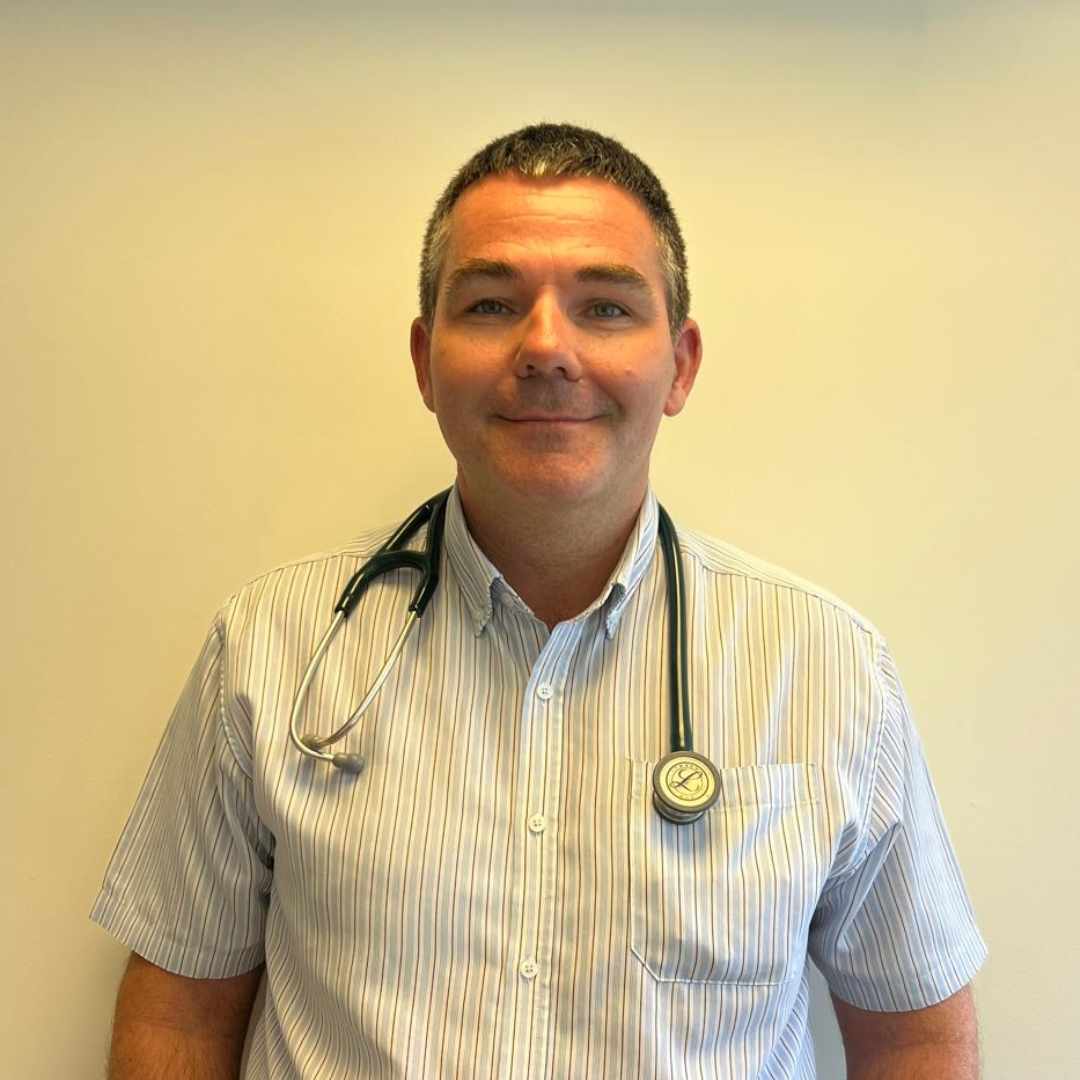
At Blackrock WeightCare, care is led by Mr William Robb, Consultant Robotic Bariatric and Upper Gastrointestinal Surgeon, who has helped more than 1,750 patients through their bariatric surgery journey. Working alongside an experienced multidisciplinary team that includes bariatric physicians, specialist nurses, dietitians, psychologists, and allied healthcare professionals, every patient receives an individual treatment plan based on their health, medical history and long-term goals.
This collaborative approach means that every decision – from selecting the most appropriate bariatric procedure to planning recovery and long-term follow-up, is made with patient safety at its centre.
Surgery Is Only One Part of Long-Term Success
One of the biggest misconceptions about bariatric surgery is that the operation itself is the treatment.
In reality, surgery is one part of a much longer journey.
Long-term success depends on regular follow-up, nutritional monitoring, healthy lifestyle habits and ongoing support from an experienced multidisciplinary team.
Whether you’ve had a gastric sleeve, gastric bypass or SADI-S, lifelong follow-up plays an important role in helping you maintain your health and achieve the best possible outcome.
Looking at the Bigger Picture
When people ask whether bariatric surgery is safe, they are usually thinking about the operation itself.
Doctors look at the question slightly differently.
They also consider what may happen if severe obesity continues untreated.
For many patients, bariatric surgery isn’t simply about losing weight.
It’s about reducing the long-term risks associated with obesity, improving existing health conditions and creating the opportunity for a healthier future.
The decision to proceed with surgery is always personal, but it should be made with a full understanding of both the risks of surgery and the risks of ongoing severe obesity.
Making an Informed Decision
If you’re living with severe obesity and wondering whether bariatric surgery is the right option for you, the most important step isn’t deciding on a procedure – it’s having a conversation with an experienced bariatric team.
At Blackrock WeightCare, we’ll take the time to understand your health, discuss your concerns and explain all of the treatment options available to you. Together, we’ll help you make an informed decision based on your individual circumstances and long-term health goals.
If you’d like to learn more about gastric sleeve surgery, gastric bypass or SADI-S, complete our enquiry form or speak with our team on 01 255 2479.
Your Health. We Care.