Bariatric Surgery and Hormonal Changes: What You Need to Know

Hormonal changes after bariatric surgery

Bariatric surgery is well-known for its effectiveness in promoting significant weight loss and improving obesity-related health conditions. But beyond just reducing the size of the stomach, this procedure triggers a variety of hormonal changes that play a crucial role in its long-term success. These hormonal shifts not only support weight loss but also impact hunger, metabolism, and even emotional well-being.

In this blog, we will explore how bariatric surgery affects your hormones, why these changes are so significant, and how they contribute to lasting weight loss and health improvements.

Understanding the Role of Hormones in Weight Regulation

Hormones play a pivotal role in regulating weight, appetite, and metabolism. They send signals between the brain and the body to manage hunger, energy use, and fat storage. Some of the key hormones involved in weight regulation include:

  • Ghrelin: Known as the “hunger hormone,” ghrelin stimulates appetite and increases food intake.
  • Leptin: This hormone signals fullness (satiety) and helps regulate energy balance by reducing hunger.
  • Insulin: Regulates blood sugar levels and helps store fat in the body.
  • GLP-1 (Glucagon-Like Peptide 1): This hormone slows down digestion and promotes feelings of fullness.
  • PYY (Peptide YY): Another hormone that reduces appetite after eating.
  • Cortisol: Often called the “stress hormone,” high levels of cortisol can lead to weight gain, especially in the abdominal area.

In people with obesity, hormonal imbalances often contribute to difficulty losing weight and keeping it off. Bariatric surgery directly impacts these hormones, which helps explain why the procedure is so effective at promoting long-term weight loss.

How Bariatric Surgery Affects Hormonal Levels

Bariatric surgery, whether it is gastric bypass, sleeve gastrectomy, or other weight loss procedures, leads to profound hormonal changes. These changes are a significant part of why weight loss surgery is so successful. Let’s look at how some key hormones are affected:

1. Ghrelin – The Hunger Hormone

Ghrelin is produced in the stomach and is responsible for stimulating hunger. In people with obesity, ghrelin levels are often higher, which can lead to increased food intake and difficulty controlling appetite.

After sleeve gastrectomy, where a large portion of the stomach is removed, ghrelin levels drop significantly. This is because the part of the stomach that produces ghrelin is removed. As a result, many patients report feeling less hungry after surgery, making it easier to stick to smaller portion sizes and achieve sustained weight loss.

2. Leptin – The Satiety Hormone

Leptin is produced by fat cells and sends signals to the brain to indicate fullness. However, in people with obesity, the brain often becomes resistant to leptin, leading to constant hunger and overeating even when fat stores are abundant.

After bariatric surgery, as body fat decreases, leptin levels drop as well. More importantly, the body’s sensitivity to leptin improves, meaning the brain receives the correct signals of satiety. This helps patients feel full with less food, contributing to weight loss and easier portion control.

3. Insulin – The Blood Sugar Regulator

Insulin is a hormone produced by the pancreas that helps regulate blood sugar levels. In people with obesity, insulin resistance is common, leading to high blood sugar and an increased risk of type 2 diabetes.

Bariatric surgery can improve insulin sensitivity almost immediately, even before significant weight loss occurs. This is particularly true with gastric bypass surgery, where patients often experience an immediate reduction in blood sugar levels. In fact, studies show that bariatric surgery can lead to the remission of type 2 diabetes in many patients.

4. GLP-1 – Promoting Fullness and Better Blood Sugar Control

GLP-1 is a hormone that increases feelings of fullness, slows down the rate at which the stomach empties, and enhances insulin secretion. After bariatric surgery, particularly gastric bypass, GLP-1 levels increase significantly.

This rise in GLP-1 contributes to reduced hunger and better blood sugar control, making it easier for patients to manage their weight and improve metabolic health.

5. PYY – Another Satiety Hormone

PYY is another hormone that helps reduce appetite after eating. Its levels are typically lower in people with obesity, leading to prolonged hunger after meals.

After bariatric surgery, PYY levels increase, further enhancing feelings of fullness and satisfaction after eating. This hormonal change makes it easier for patients to adopt healthier eating habits and maintain long-term weight loss.

6. Cortisol – The Stress Hormone

Cortisol is a hormone that is released in response to stress. Chronic high levels of cortisol can lead to weight gain, particularly around the abdomen. Bariatric surgery doesn’t directly lower cortisol levels, but many patients find that their overall stress levels decrease after surgery as they lose weight and improve their health.

Additionally, as patients adopt healthier eating and exercise habits, their ability to manage stress improves, which can naturally lead to a reduction in cortisol levels over time.

The Importance of Hormonal Changes for Long-Term Success

The hormonal changes that occur after bariatric surgery are essential for long-term weight loss success. Here’s why:

  • Reduced Appetite: The decrease in ghrelin and the increase in GLP-1 and PYY lead to a significant reduction in appetite, making it easier for patients to eat smaller portions and avoid overeating.
  • Increased Satiety: With improved leptin sensitivity and higher levels of satiety hormones like GLP-1 and PYY, patients feel fuller after meals, which supports long-term portion control.
  • Improved Blood Sugar Control: Enhanced insulin sensitivity and better regulation of blood sugar levels help prevent and, in many cases, reverse type 2 diabetes.
  • Lowered Risk of Weight Regain: The hormonal changes that suppress hunger and enhance satiety reduce the likelihood of weight regain, a common challenge for people who have lost weight through traditional methods.

Hormonal Changes and Emotional Well-Being

Hormones don’t just affect your appetite and metabolism; they also play a role in your emotional well-being. After bariatric surgery, patients often experience improvements in mood and reductions in anxiety and depression. These improvements are likely linked to both physical changes (such as reduced inflammation) and the psychological boost that comes from losing weight and feeling healthier.

Additionally, the reduction in cortisol and the stabilisation of blood sugar levels contribute to better emotional balance, making it easier for patients to maintain healthy lifestyle changes in the long term.

How to Support Hormonal Balance After Bariatric Surgery

While bariatric surgery triggers significant hormonal changes, maintaining hormonal balance post-surgery is crucial for long-term success. Here are a few ways to support your body’s hormonal health:

  1. Follow Your Nutritional Plan: Ensure you are eating a balanced diet that supports your body’s nutrient needs. Protein, fibre, and healthy fats are essential for maintaining hormonal health.
  2. Take Supplements as Advised: After bariatric surgery, you may need to take supplements like multivitamins, calcium, vitamin D, and B12 to support your body’s nutritional requirements.
  3. Exercise Regularly: Physical activity helps regulate hormones, reduces stress, and supports long-term weight loss. Include both cardio and strength training in your routine.
  4. Manage Stress: Practice stress-relieving activities such as yoga, meditation, or deep breathing exercises to keep cortisol levels in check.
  5. Attend Follow-Up Appointments: Regular check-ins with your healthcare team are essential to monitor your progress, adjust your diet and lifestyle plan, and ensure that your hormonal balance is maintained.


Bariatric surgery does far more than reduce the size of the stomach—it brings about significant hormonal changes that support weight loss, reduce hunger, and improve overall health. These hormonal shifts play a critical role in why bariatric surgery is so effective at achieving long-term results, including better blood sugar control, reduced appetite, and enhanced satiety.

At Blackrock WeightCare, we understand that the journey to weight loss and improved health is about more than just the surgery itself. Our team is committed to supporting you before, during, and after the procedure to ensure that you experience the full benefits of these hormonal changes and achieve lasting success.

If you’d like to learn more about how bariatric surgery can transform not only your weight but also your hormones and overall health, contact us today for a consultation.

Your Health. We Care. 

Emer O’Driscoll

Senior Dietitian

Emer O’Driscoll holds an MSc in Nutrition and Dietetics from the University of Ulster, Coleraine (2014). Emer has experience in clinical and outpatient settings, in particular, her passions are intuitive eating, counselling, and weight management. Emer is actively involved in the support of patients before and after weight loss surgery. She recognises the importance of consistent follow-up care with a dietitian through your pre and post-surgical journey. 

She holds a certificate in Motivational Interviewing from the National Institute for Preventive Cardiology (NIPC) and is a Certified Intuitive Eating counsellor. Emer developed and leads the SUCCEED Programme. She is a member of the Irish Nutrition & Dietetic Institute (INDI) and a CORU registered dietitian.

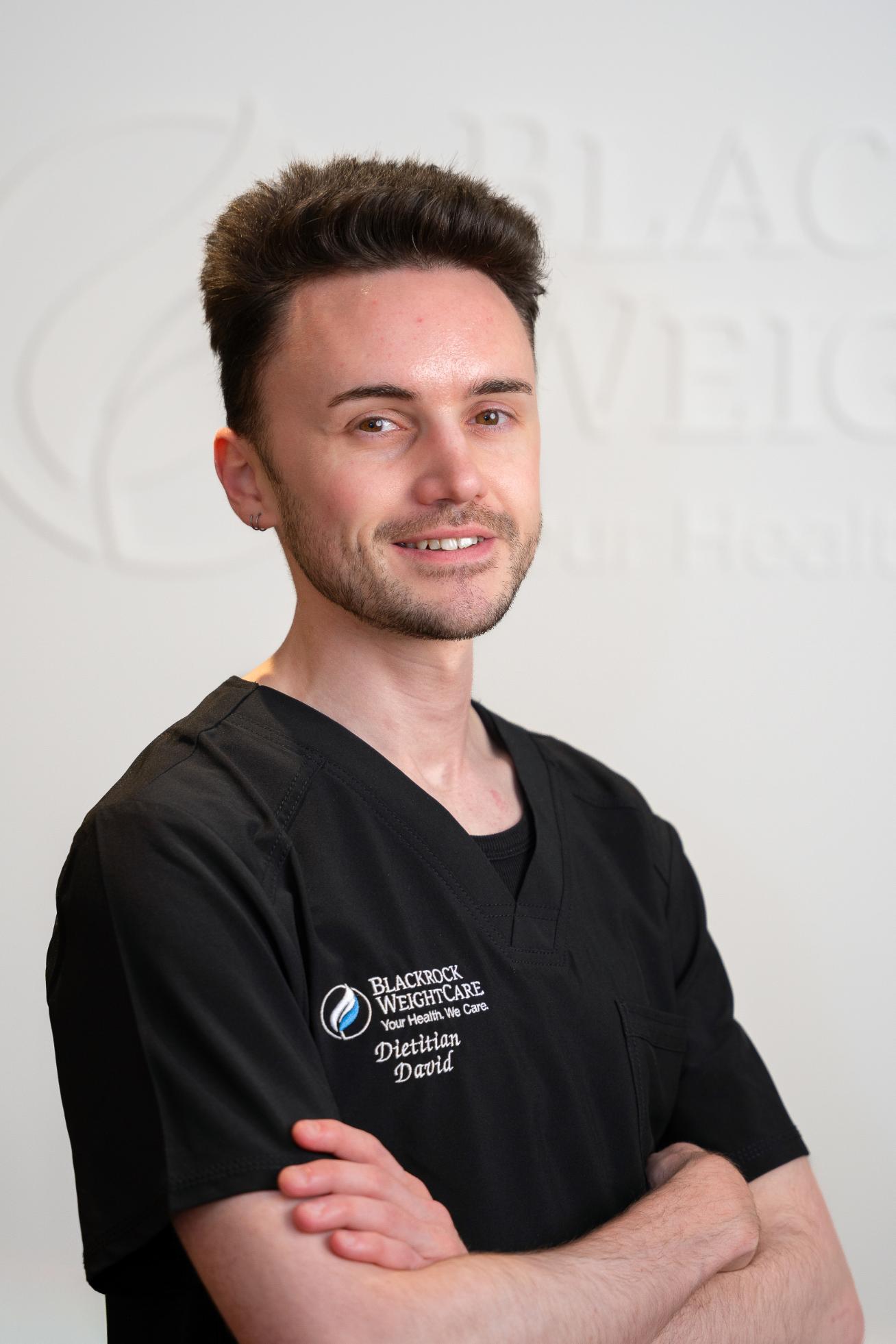
David Johnston

Senior Dietitian

David Johnston is a Senior Dietitian at Blackrock WeightCare. He holds a BSc in Human Nutrition and Dietetics from Trinity College Dublin and TU Dublin, and has completed additional training in behaviour change skills and the delivery of evidence-based obesity management.

David has worked in rehabilitation and integrated care services in both Ireland and Australia, supporting patients living with obesity, diabetes and other long-term health conditions. Chronic disease management has been a key area of interest throughout his career, and he understands the importance of a multidisciplinary approach when supporting people with obesity.

As part of the Blackrock WeightCare team, David provides education and follow-up care for patients before and after surgery. He helps patients prepare for surgery, supports them as they adjust to changes in eating and drinking afterwards, and works with them to build sustainable habits that support long-term health and weight management.

David is a CORU registered dietitian and a member of the Irish Nutrition and Dietetic Institute (INDI). His approach is practical and patient-centred, with a focus on helping patients better understand their nutrition and managing it in a way that works for them.

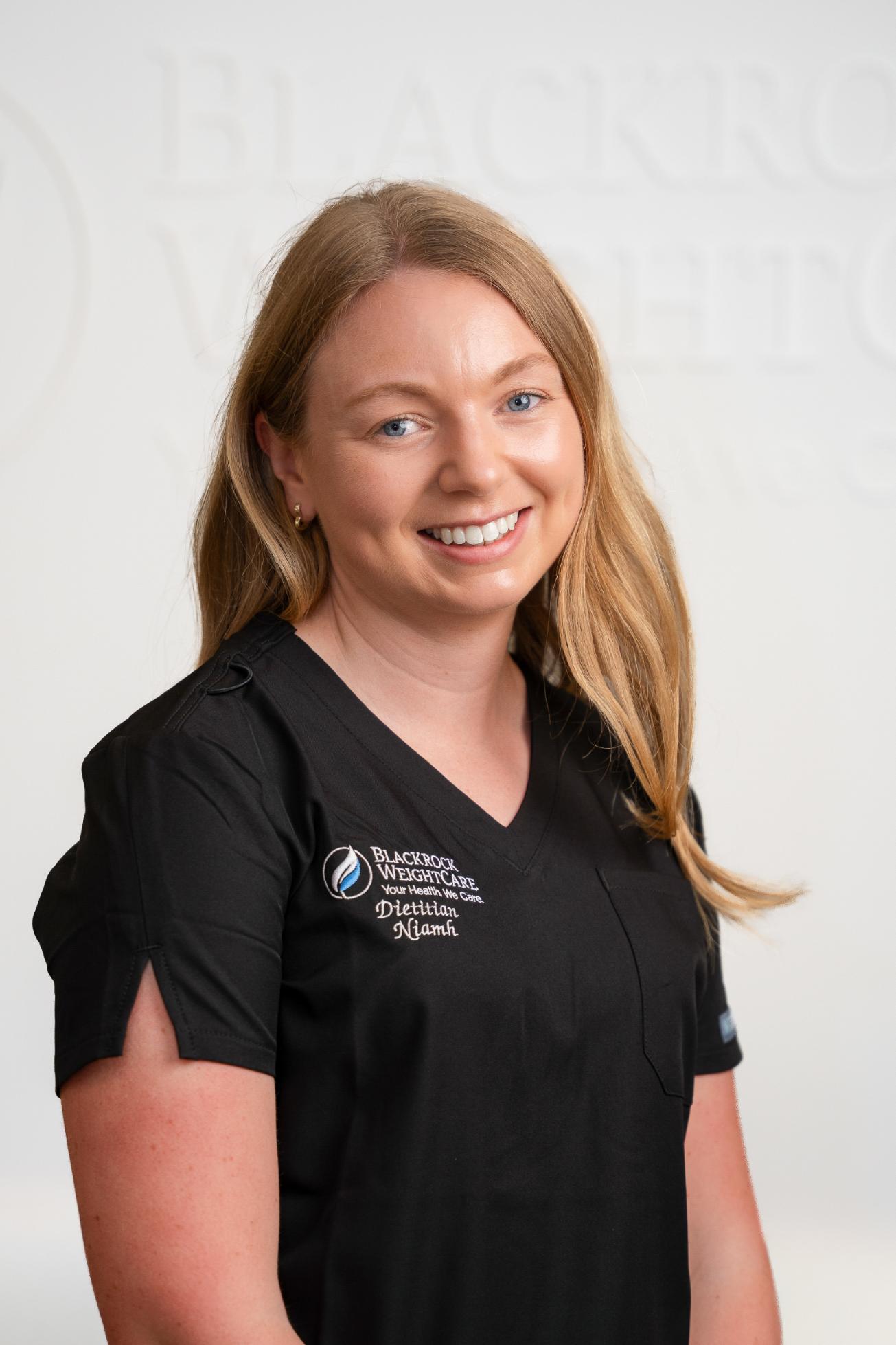
Niamh Forster

Senior Dietitian

Niamh Forster is a Senior Dietitian at Blackrock WeightCare, with 6 years of experience working with people living with obesity and supporting them with practical nutrition and lifestyle advice. She has worked in both clinical and outpatient settings, including weight management, and has a particular interest in supporting patients before and after bariatric surgery.

Niamh holds a BSc in Human Nutrition and an MSc in Clinical Nutrition and Dietetics from University College Dublin, completed in 2020. She has also completed further training in Behaviour Change, Intuitive Eating Counselling and Nutrition for PCOS.

She is a CORU registered dietitian and a member of the Irish Nutrition and Dietetic Institute (INDI).

As part of the Blackrock WeightCare team, Niamh supports patients in making sense of the dietary changes that come with bariatric surgery and helps them build habits that are realistic, manageable and suited to everyday life. Her approach is practical, evidence-based and centred around the individual, with a strong focus on supporting patients in a way that feels steady, respectful and achievable.

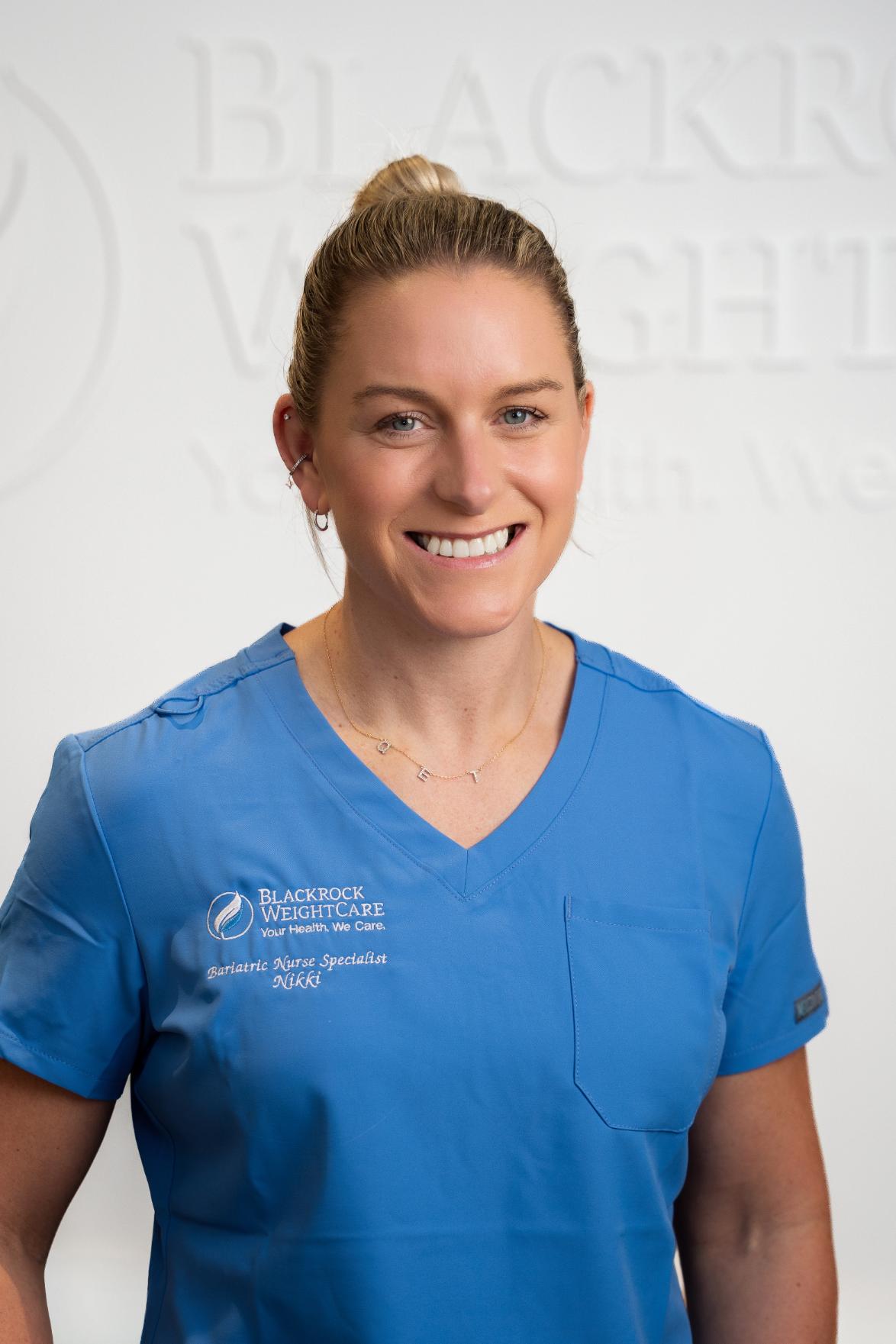
Nikki O’Toole

Bariatric CNS

Nikki O’Toole is a Bariatric Candidate CNS at Blackrock WeightCare, with over 18 years of nursing experience and a strong background in surgical nursing. She has worked in Blackrock Clinic for more than 10 years, caring for bariatric patients at ward level and now supporting patients throughout their journey before and after surgery.

Nikki holds a BSc Degree in Nursing and has recently completed a course in An Integrated Approach to Cardiometabolic Chronic Disease. In her role, Nikki provides education, preparation and ongoing support to patients at each stage of their journey. She helps patients feel informed and ready for surgery, and continues to support them after their procedure, both during their hospital stay and long after they go home. She understands how important it is for patients to feel reassured and know that support is always there when they need it.

Nikki gets great fulfilment in being part of transformation for patients and their families. She is committed to helping each patient feel cared for and confident throughout their time with Blackrock WeightCare.

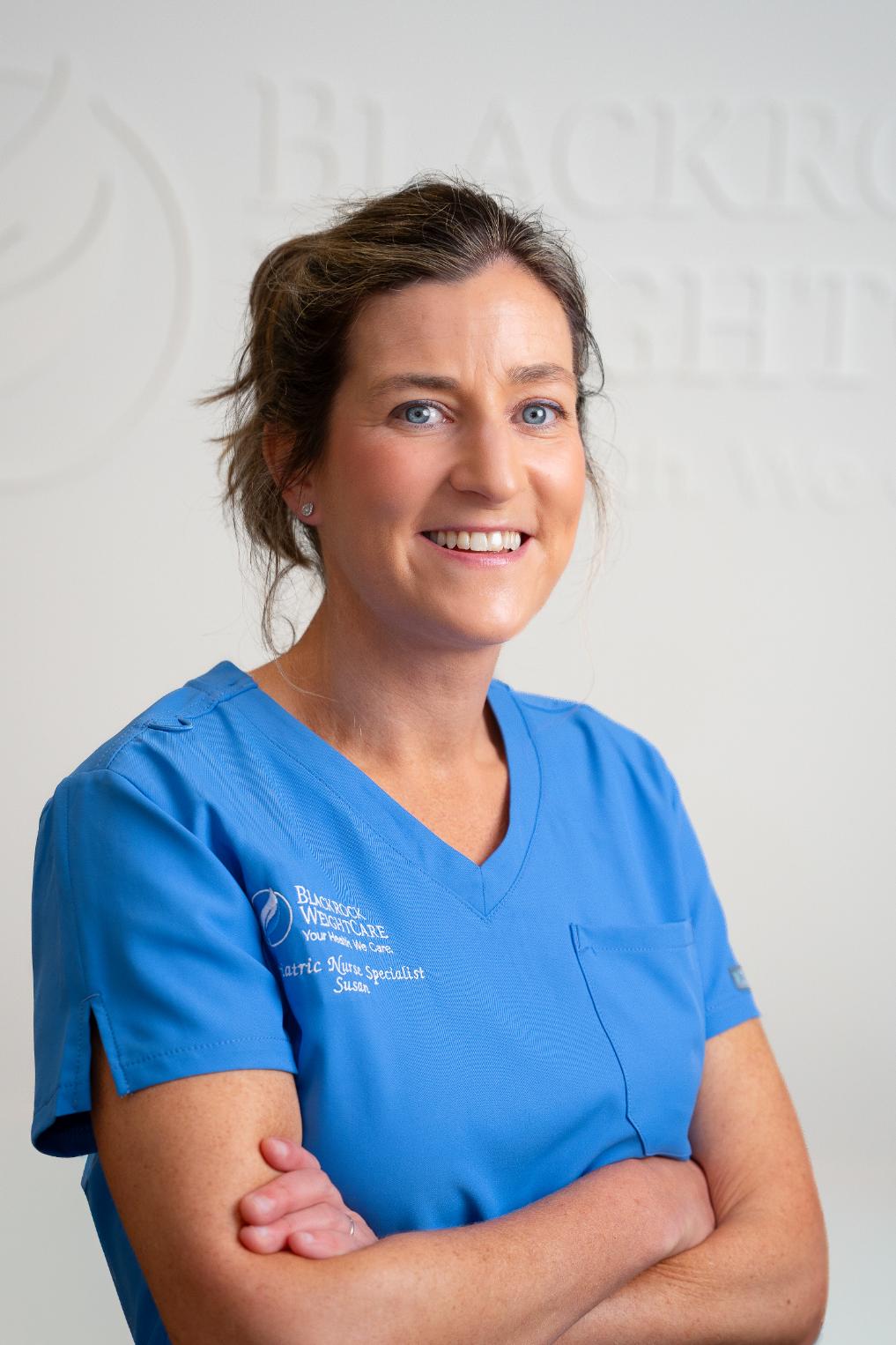
Susan Healy

Bariatric CNS

Susan Healy is a Bariatric Clinical Nurse Specialist (CNS) at Blackrock WeightCare, with more than 20 years of nursing experience and a long-standing specialist interest in bariatric care. She first began working with bariatric patients in Australia almost 19 years ago and has been caring for bariatric patients in Blackrock Clinic for the past 10 years. She became a Bariatric CNS in June 2024.

Susan holds a BSc Degree in Nursing and is a Registered Nurse (RN) and Certified Bariatric Nurse (CBN) through the American Society for Metabolic and Bariatric Surgery (ASMBS). She is also a member of BOMSS, the British Obesity and Metabolic Surgery Society.

In her role, Susan supports patients right through their bariatric journey, both physically and emotionally, with a strong focus on education, reassurance and ongoing care. She is a steady point of contact before and after surgery, helping patients feel informed, prepared and well supported. Susan is passionate about providing patient-centred care and believes that people should be met with compassion and respect at all times. She takes great satisfaction in seeing the positive difference bariatric surgery can make and is committed to making sure each person feels listened to and supported throughout their journey.

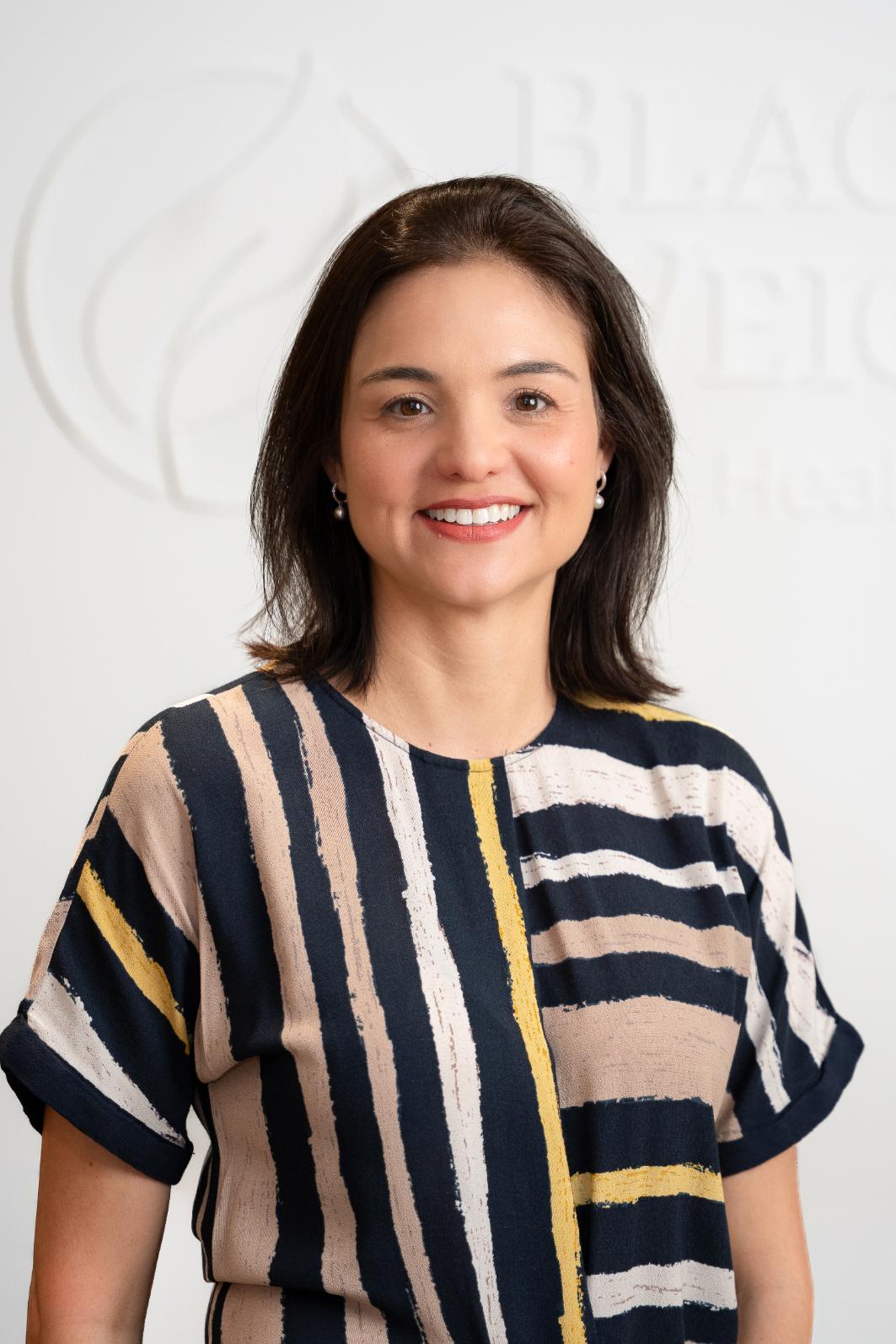
Dr Matilde Mijares Zamuner

Consultant Endocrinologist and Diabetologist

Dr Matilde Mijares Zamuner is a Consultant Endocrinologist and Diabetologist at Blackrock WeightCare, with a particular interest in obesity, diabetes and the medical management of weight-related conditions. She graduated from medical school at the Central University of Venezuela in Caracas and completed her Higher Specialist Training in Endocrinology, Diabetes and Nutrition at Alicante University Hospital in Spain in 2013. She also completed a Master’s Degree in Clinical Research in Spain.

During her specialist training in Spain, she gained extensive experience in the management of metabolic conditions, including obesity and related conditions such as type 2 diabetes, high blood pressure and high cholesterol. She moved to Ireland in 2014 and completed a research fellowship in diabetes at the Mater Misericordiae University Hospital. 

As part of the Blackrock WeightCare team, Dr Mijares Zamuner supports patients by assessing hormonal, metabolic and nutritional factors that may be contributing to weight gain, including conditions such as PCOS and thyroid disease. She also works closely with patients before and after bariatric surgery and is involved in the medical treatment of obesity, including prescribed medication where appropriate.

Dr Mijares Zamuner is a member of the Irish Endocrine Society, the Spanish Endocrine and Diabetes Society, the European Society of Endocrinology and the Royal College of Physicians of Ireland. Her approach is centred on helping patients understand obesity as a chronic disease and supporting them in a clear and compassionate way to improve their long-term health and quality of life.

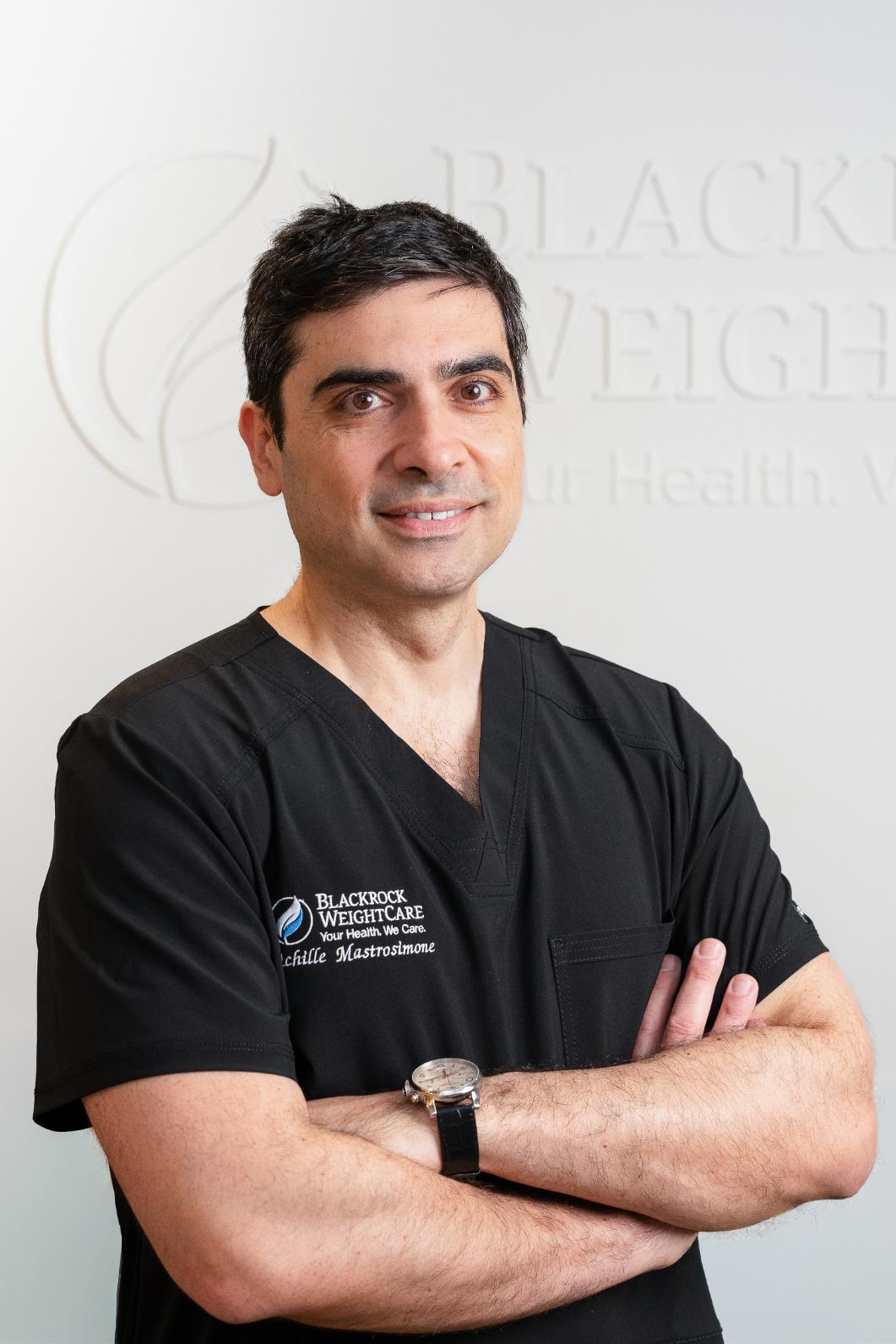
Achille Mastrosimone

Consultant Upper Gastrointestinal Surgeon and Bariatric Endoscopist

Achille Mastrosimone is a Consultant General and Upper Gastrointestinal Surgeon with a specialist interest in upper gastrointestinal surgery, diagnostic and therapeutic endoscopy, and bariatric and metabolic surgery. He works across Connolly Hospital, Hermitage Clinic and Blackrock Clinic, and is also an Honorary Clinical Senior Lecturer at RCSI University of Medicine and Health Sciences.

He holds an MD, a PhD in Clinical and Molecular Oncology, a Professional Diploma in Clinical Leadership from RCSI, and a Master in Bariatric and Metabolic Surgery from Gemelli Hospital, Rome.

As part of the Blackrock WeightCare team, he supports patients through pre-operative endoscopic assessment and post-operative endoscopic follow-up. 

Excitingly, Achille also brings expertise in endobariatric procedures, including TORe (Transoral Outlet Reduction), to help manage post-bypass weight regain and dumping syndrome.

Achille is registered on the Irish Medical Council Specialist Register in General Surgery and is a member of IFSO (International Federation for the Surgery of Obesity and Metabolic Disorders), ESGE (European Society of Gastrointestinal Endoscopy), ISDE (International Society for Diseases of the Esophagus) and EAES (European Association for Endoscopic Surgery).

His approach is centred on giving patients clear, compassionate and personalised support, helping them feel informed, reassured and well cared for before and after endoscopy.

Dr Finian Fallon

Psychologist

Dr Finian Fallon provides psychological support and assessments for patients seeking bariatric surgery at Blackrock WeightCare. He works closely with bariatric teams in Ireland and has a strong interest in supporting patients as they prepare for surgery and adjust to the changes that come with it.

Finian has contributed to research and published work in the area of obesity, and was previously a Research Fellow at St Vincent’s University Hospital, where he provided group support for people living with obesity. He has also worked as Dean of Psychology at a private college in Dublin, where he developed education programmes in areas including CBT, addiction and traumatology.

His academic work has included External Examinerships and supporting PhD students in their development. He has also presented at the SCOPE School on Obesity, an internationally recognised training programme in obesity led by experts in the field.

Finian has a particular interest in the psychological impact of obesity, including the effect of stigma and self-stigma on people’s lives. He is also very aware of the role trauma can play for some patients living with obesity. His research includes a widely reported study on trauma and wellbeing among more than 2,000 members of An Garda Síochána.

His approach is thoughtful, respectful and compassionate, with a strong focus on helping patients feel understood, supported and well prepared throughout their journey.

Professor John McDermott

Consultant Endocrinologist

Professor John McDermott is Consultant Endocrinologist at the Hermitage Medical Clinic. Working closely with Mr Robb and the team at Blackrock WeightCare, he supports patients through their weight loss journey with a focus on metabolic health, endocrine assessment and long-term aftercare. He plays an important role in guiding patients before and after bariatric surgery, and supporting them as they adjust to the hormonal, metabolic and lifestyle changes that follow treatment.

Professor McDermott graduated from the University of Galway with first-class honours and the gold medal for first place in medicine. Following his specialist training, he was appointed as a Consultant Endocrinologist in 2007. He has extensive experience in endocrinology, diabetes and general internal medicine, and a strong commitment to clinical research and medical education.

Dr Conor Woods

Endocrinologist & Bariatric Physician

Dr Conor Woods is an Endocrinologist and Bariatric Physician at Blackrock WeightCare, with specialist interests in obesity medicine, endocrinology and diabetes. He completed his undergraduate medical training at RCSI and his Higher Specialist Training in Endocrinology in Ireland. He also holds a PhD from UCD in steroid metabolism and obesity, and completed a fellowship in Oxford.

Dr Woods supports patients with the medical assessment and management of obesity and related metabolic conditions. As part of the multidisciplinary team, he helps ensure patients are well informed, appropriately assessed and supported throughout their care.

Barkha Jain

Digital Marketing Manager and Web Developer

Barkha Jain is the Digital Marketing Manager at Blackrock WeightCare, with over 20 years of experience in advertising, marketing and business development. She holds a Bachelor’s degree in Journalism and Mass Communication from DAVV University, India, and a Master’s degree in Digital Marketing from UCD, Ireland.

For the past 10 years, she has specialised in healthcare marketing, working with surgeons across bariatric surgery, plastic surgery, respiratory medicine, IVF and orthopaedics. Before moving to Ireland, she founded a digital marketing agency in India in 2016 and worked with healthcare clients across the country, including spending 8 years with Mohak Bariatrics, an internationally renowned bariatric service in Indore, India. Barkha has facilitated a collaboration between Mohak Bariatrics and Blackrock WeightCare – a connection we are proud to have established.

Her work is rooted in a genuine belief that healthcare communication should do more than promote services. It should bring clarity, build trust and help people make informed decisions for their health and wellbeing.

Susan Anderson

Patient Co-Ordinator

Susan Anderson is a Patient Co-Ordinator at Blackrock WeightCare and is often the first point of contact for patients enquiring about weight loss surgery. Susan speaks with patients by phone to guide them through the process, answer their questions and provide clear information about the process from first appointment, assessment for surgery and our dedicated follow up program of care. She follows up with detailed information on the next steps, helping patients feel informed from the outset.

Susan also attends clinics and values meeting patients in person, offering support as they move through different stages of treatment. She understands that reaching out about bariatric surgery can feel like a big step and how important it is for patients to be given time, information and reassurance to make the decision that is right for them.

With almost two decades of experience working in a hospital setting, Susan is committed to helping each patient feel comfortable, informed and well supported from their first contact with Blackrock WeightCare.

Lucy O’Shea

Patient Co-Ordinator

Lucy O’Shea is a Patient Co-Ordinator at Blackrock WeightCare, where she supports patients throughout all phases of their treatment – from bariatric surgery, to medical follow up with optimisation of health and weight and then also co-ordinating body contouring surgery for those patients who require this final phase.

Lucy helps guide patients through each stage of the process, from explaining what to expect and preparing them for consultations to providing support before and after surgery.

Working closely with the clinical team, Lucy ensures that patients feel informed, supported and reassured throughout their journey to better health. She understands that this can be a significant step, and Lucy is committed to making the experience as comfortable and straightforward as possible.

Lucy helps each patient feel heard, supported and at ease throughout their care with Blackrock WeightCare.

Maria Cray

Practice Manager

Maria Cray is the Practice Manager at Blackrock WeightCare, with over 20 years of experience managing busy private surgical clinics. Before joining the team, she spent two decades as Practice Manager for a consultant eye surgeon, where she ran a successful multi-staff practice and supported patients through every stage of their care.

She brings a calm, organised and caring approach to the role, with a great understanding of what patients need from specialist care. From coordinating appointments and referrals to helping manage surgical schedules, Maria plays a central role in ensuring that every patient’s experience is as smooth as possible.

WIth the whole team, Maria creates a welcoming and professional environment where patients feel supported, informed and genuinely cared for throughout their journey with Blackrock WeightCare.

Go Surgical Limited
Suite 9, Blackrock Clinic, Rock Road, Blackrock, Dublin, A94 E4X7